Turning a neglected
mailing list into a
revenue-adjacent asset
How Vaguely Strategic helped Brinsworth & Mule shed its heritage fog, remove the legacy ghosts, and connect with four extremely well-aligned customers.
uplift
remaining post-cleanse
clearer subject lines
send-to-all model
visual-softening impact
A brand caught between its past and its Janey
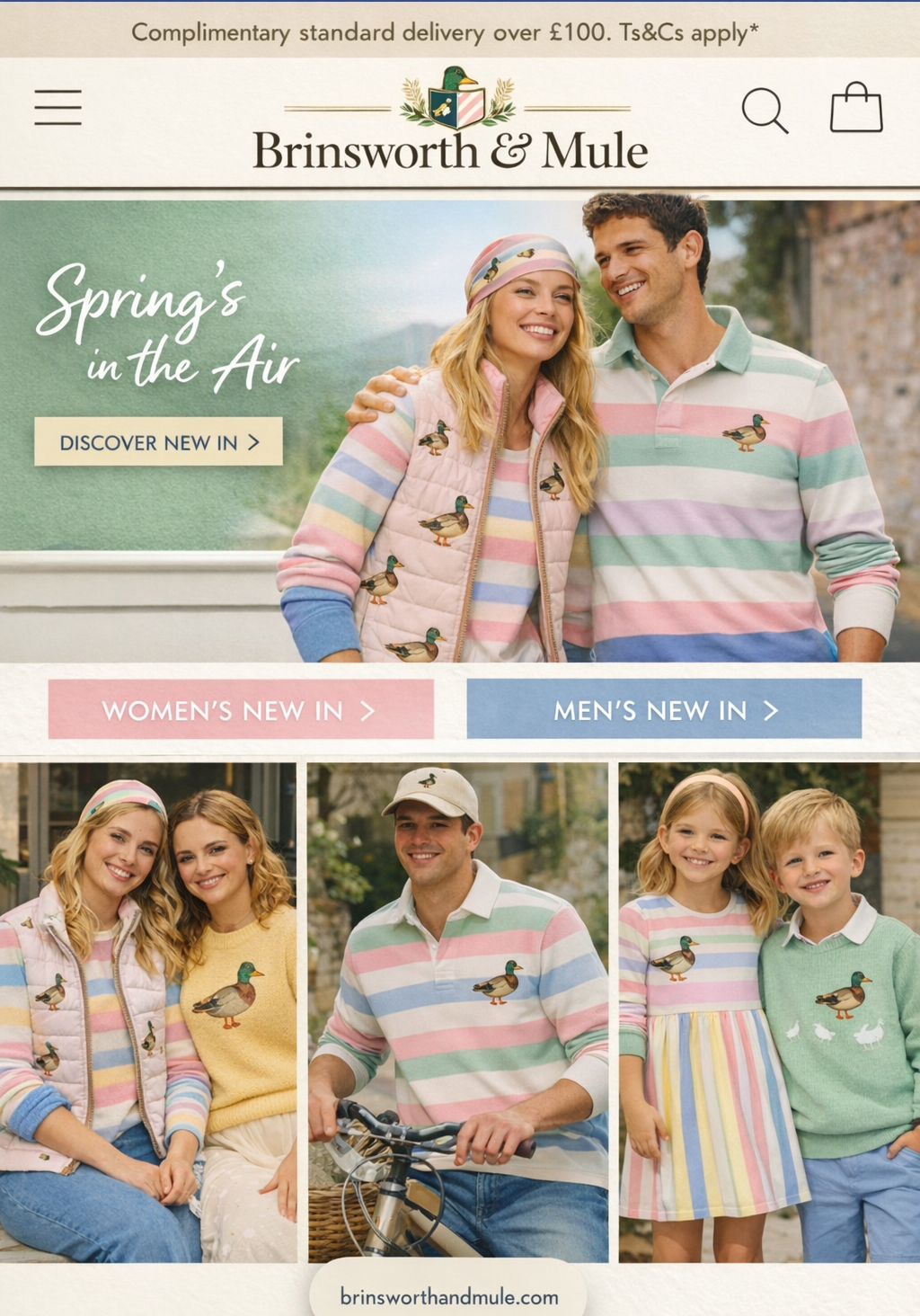
Brinsworth & Mule had spent years positioning itself as a gently elevated British lifestyle brand — pastel clothes with ducks or stripes, and a touch of denim. Its earlier language, "lifestyle apparel with a heritage-adjacent sensibility," had tested well internally among people who enjoy saying things like "brand world" and "consumer texture."
It was proving less effective with the wider market, many of whom were unclear whether Brinsworth & Mule sold knitwear, candles, or a subscription vegetable box.
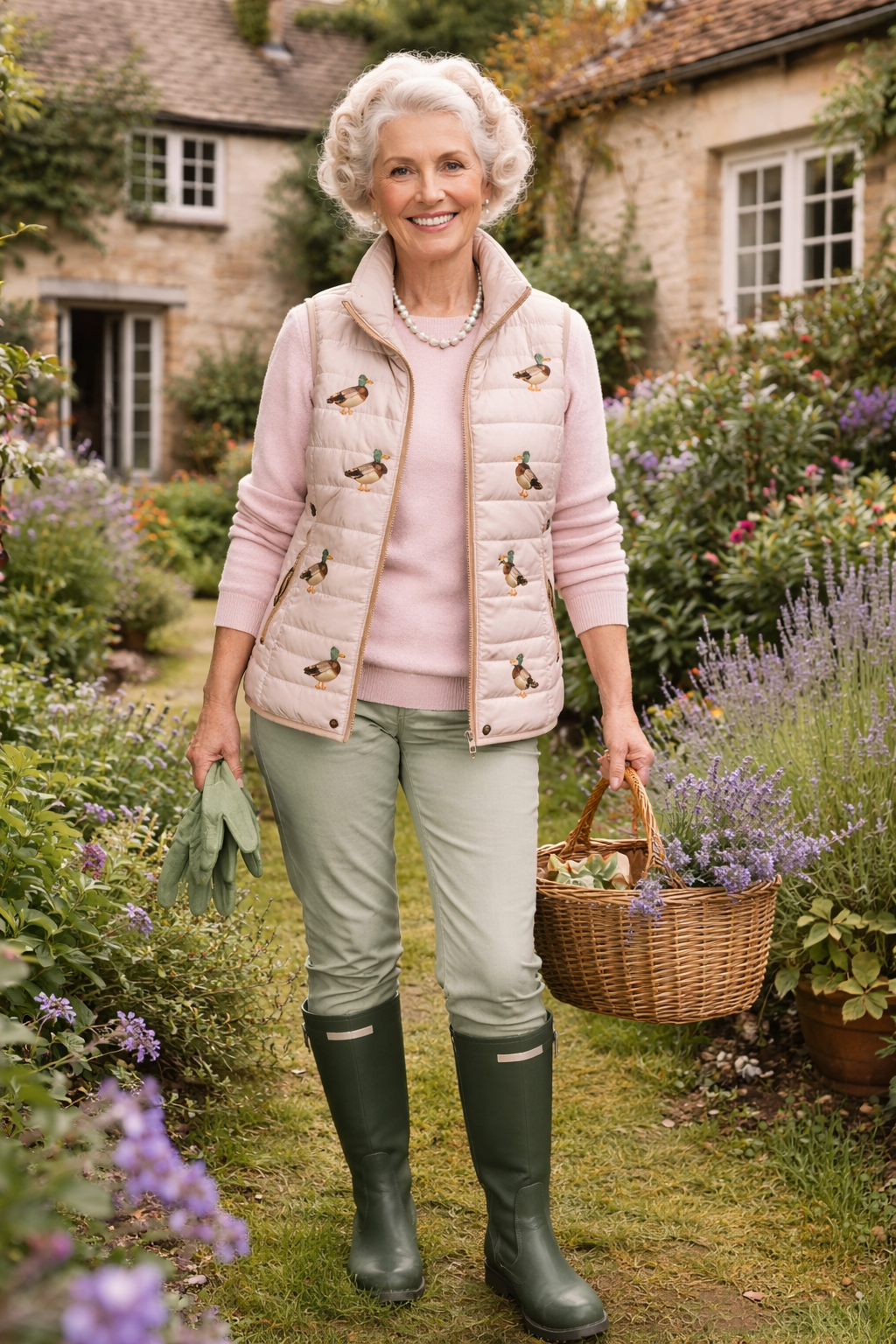
"The duck gilet was doing a lot of emotional heavy lifting. It seemed to say, 'I may live in a block, but spiritually I am near an Aga.'"

Meet Janey. She does not own an Aga.
She wants one spiritually.
Brinsworth & Mule wanted to move beyond broad-market dependency and focus on an emerging customer archetype: the urban pastoral. Someone deeply invested in dressing as though they might pop out to a farm shop, despite living three floors up and within sight of a bin store.
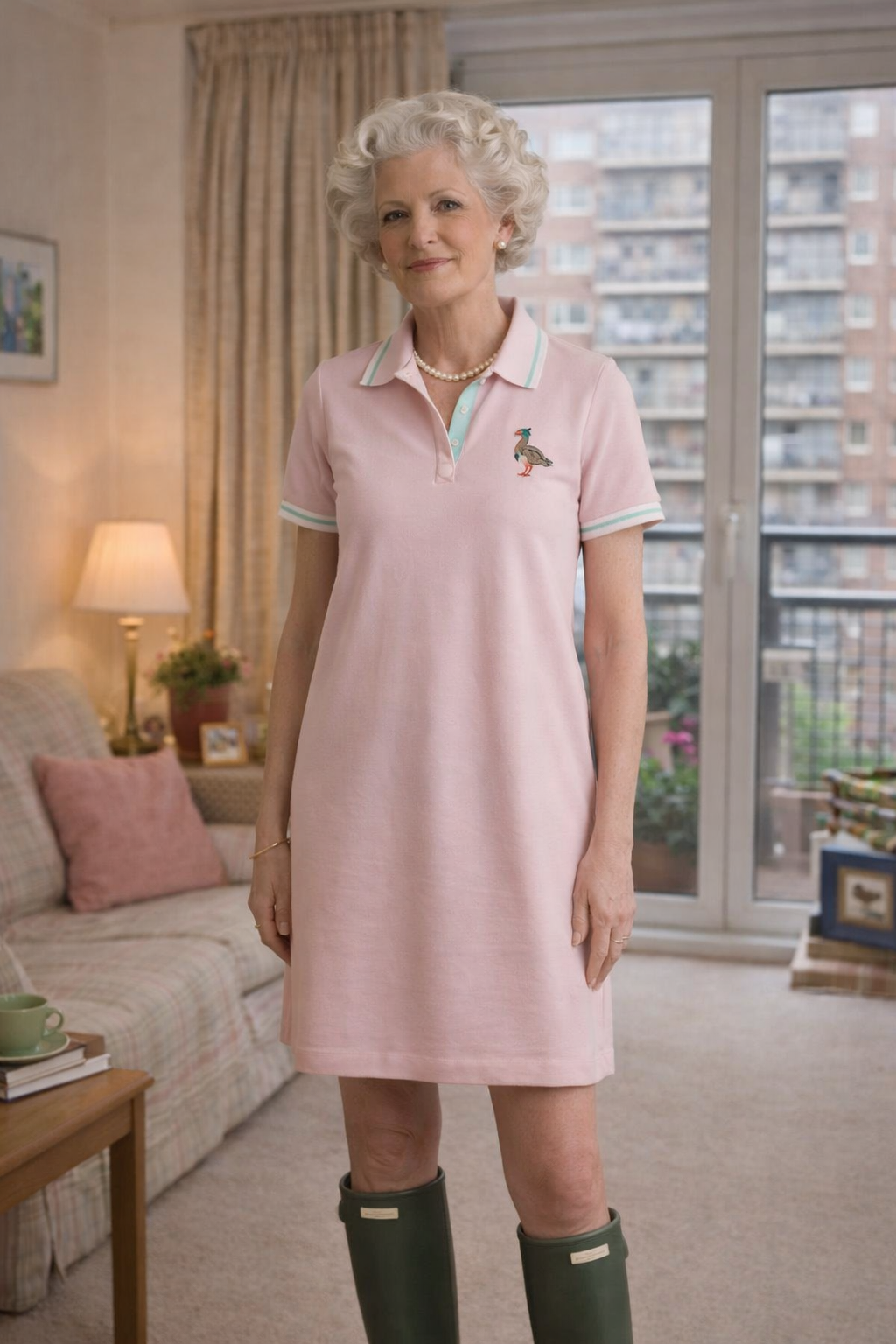
City flat. No boot room. No Aga. But spiritually committed to a softer, more whimsical version of British life. High emotional investment in rural adjacency.
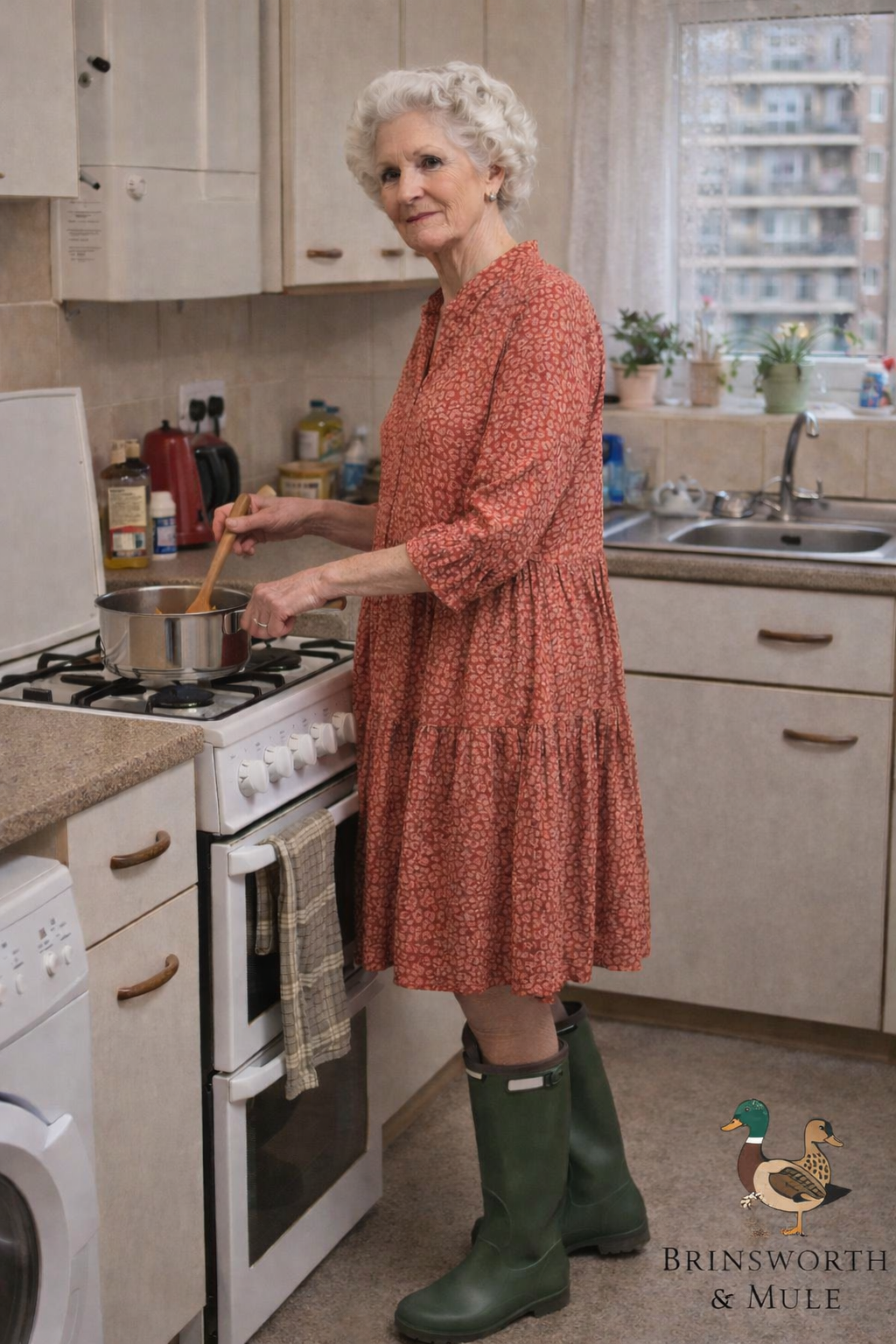
Her kitchen is not a farmhouse kitchen. It is a kitchen. She is Corrie Toyah drop waist dress. The duck motif carries enormous emotional weight in this context.
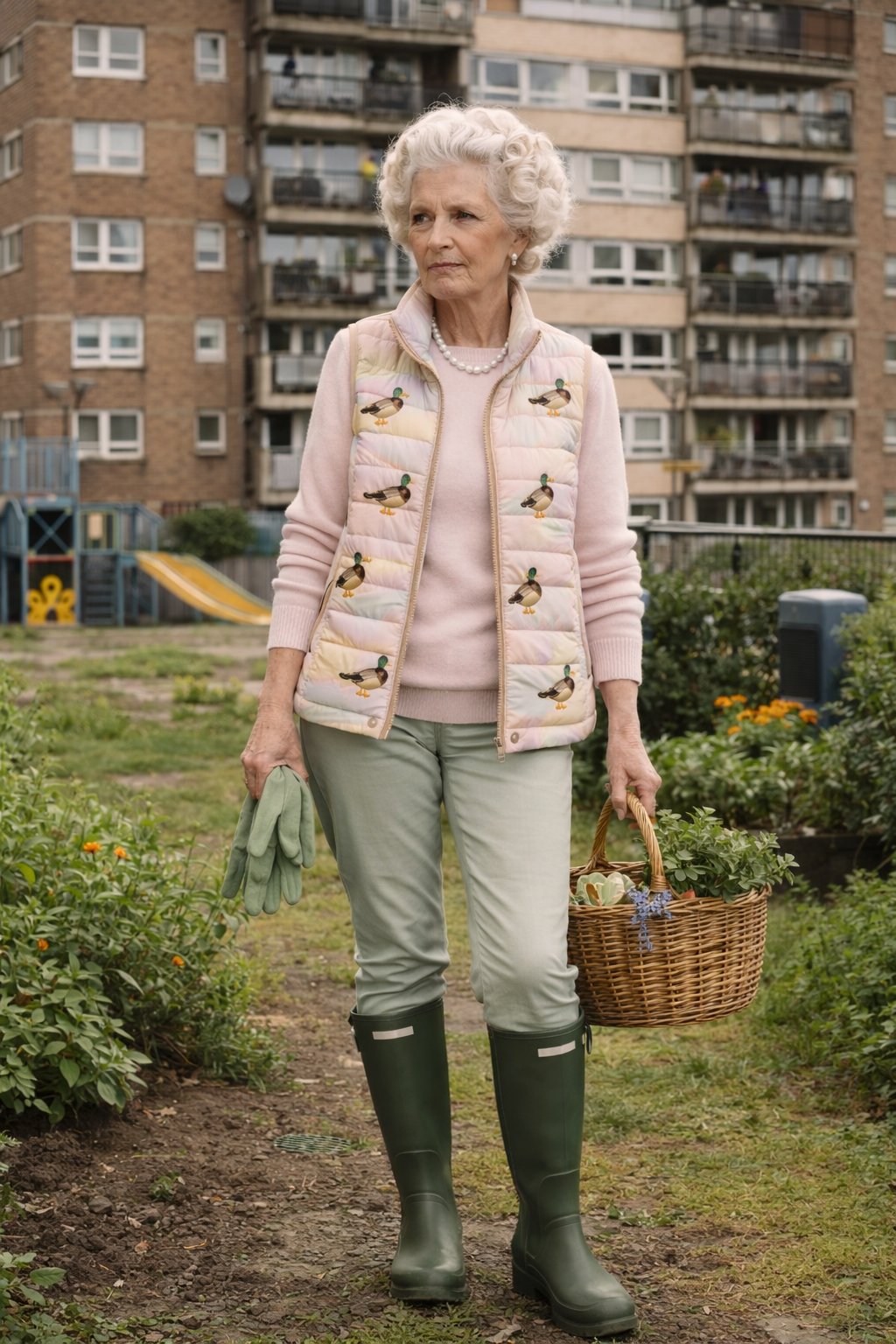
Her garden is communal or borrowed. She wants all the warmth of the countryside, minus mud, livestock, and unsolicited local opinions.
"What the brand was really selling was not countryside life. It was countryside signalling. Vaguely Strategic helped Brinsworth & Mule understand this distinction, quantify it, and then build an entirely new strategic framework that said, essentially, the same thing back to them with more slides."
A simplificational CRM purification programme
Vaguely Strategic partnered with Brinsworth & Mule to deliver a full CRM reclarification initiative underpinned by Graveyard CRM™ — our proprietary dead-file detection platform capable of identifying contacts who are present in a database but no longer alive in any commercially meaningful sense.
Our flagship dead-file detection tool. Removes inactive records, heritage ghosts, duck-cycle lapsed buyers, and people who entered the database under circumstances no longer relevant to the brand narrative.
"Lifestyle apparel with a heritage-adjacent sensibility" retired. Replaced with the more commercially legible: "Pastel clothes with ducks or stripes, and a touch of denim." A landmark achievement in strategic de-obfuscation.
A precision 2p reduction from £89.00 to £88.98. Not a discount. A visual-softening measure designed to create a more appealing on-site price impression. The results speak for themselves.
Identification and definition of the Janey from the Block™ segment — aspirational urban pastoralists seeking countryside signalling without any actual exposure to the countryside.
Replaced broad, tonally inconsistent promotional sends with calmer, more curated campaigns focused on reassurance, edited product stories, and controlled lifestyle aspiration delivery.
Full removal of what we termed "legacy drag" — the accumulated CRM weight of previous decisions, previous customers, and previous ducks that no longer served the brand's forward trajectory.
The Vaguely Strategic methodology
Every engagement follows our proprietary four-phase framework for delivering work that feels very considered while remaining fundamentally impossible to argue with.
We assess how much accumulated brand ambiguity is preventing the core message from landing. We call this heritage fog. We have a slide about it.
Graveyard CRM™ scans for inactive records, legacy drag, and contacts who are technically present but commercially absent. We call these heritage ghosts.
We remove, streamline, reduce, and clarify until the remaining audience is small, targeted, and ideally identical to the customer type we described in the discovery phase.
We rebuild the communications framework to speak directly to the newly defined audience with calmer, more curated sends and carefully controlled aspiration.
Four contacts. Significant improvement in fit.
Following the full Graveyard CRM™ cleanse, the database was reduced to its most strategically useful core. While small in absolute terms, this audience represented a meaningful uplift in alignment.
Open rate uplift following clearer subject lines and a materially smaller list of people who actually wanted to receive the emails.
Click activity compared with the previous send-to-all model. Sending to four people who care outperforms sending to thousands who don't.
Remaining target customers post-cleanse, each with a stronger brand alignment and a more plausible relationship with aspirational duckwear.
Reduction in headline price point, creating a measurably softer visual impression and confirming that sometimes the most strategic intervention is very small indeed.
For some time, we had sensed a mismatch between our customer file and our future brand direction. Vaguely Strategic helped us clean away the legacy drag, clarify the offer, and reconnect with a more focused audience. Graveyard CRM™ was instrumental in helping us identify who still belonged in the Brinsworth & Mule story.
The whimsy, not the weather
Vaguely Strategic delivered a simplificational CRM purification programme designed to remove dead-file drag, reduce heritage fog, and support re-engagement with a more affluent, aspiration-led customer base.
By combining Graveyard CRM™, clearer messaging, and micro-price refinement, Brinsworth & Mule was able to pivot away from broad-market fatigue and toward a smaller, better-qualified audience of customers seeking a whimsical British lifestyle without any actual contact with the harsher realities of the countryside.
Janey may live in a flat, but Brinsworth & Mule helps her dress like she keeps eggs in a wire basket.